


Oatmeal has always been one of my go-to breakfasts. It’s warm, filling, and endlessly customizable. But there’s actually a simple way to make oats even better for you and your gut will thank you for it.
I started fermenting my oats. And it completely changed the way I felt after eating them. Before, I loved oatmeal but often felt heavy or bloated afterward, like my body was struggling to digest it. Once I began fermenting the oats overnight with a little yogurt or apple cider vinegar, that all disappeared.
The oats felt lighter, more energizing, and actually satisfying without weighing me down. My digestion improved noticeably, and instead of that mid-morning crash, I felt steady energy for hours. It’s such a small shift, but it made my breakfast feel truly nourishing, the way food should make you feel.
The Science Behind Fermenting Oats
Oats contain phytic acid, a natural compound that binds to minerals like iron, zinc, magnesium, and calcium, preventing your body from fully absorbing them. This is one reason some people feel heavy or bloated after eating grains.
When oats are soaked with a live active culture — like kefir, yogurt, or raw apple cider vinegar — beneficial bacteria and enzymes begin breaking down that phytic acid. This simple process:
Improves nutrient absorption by freeing up essential minerals.
Boosts digestibility and can reduce bloating or discomfort.
Enhances flavor and texture, giving your oatmeal a mild, tangy note similar to overnight oats.
Introduces natural probiotics, which help support a balanced gut microbiome.
Fermentation basically does the “pre-digestion” work for you, making your oats not only tastier but also much easier on your system.
So let’s get into how I make my fermented oats and a few tips so you can make them perfectly every time…

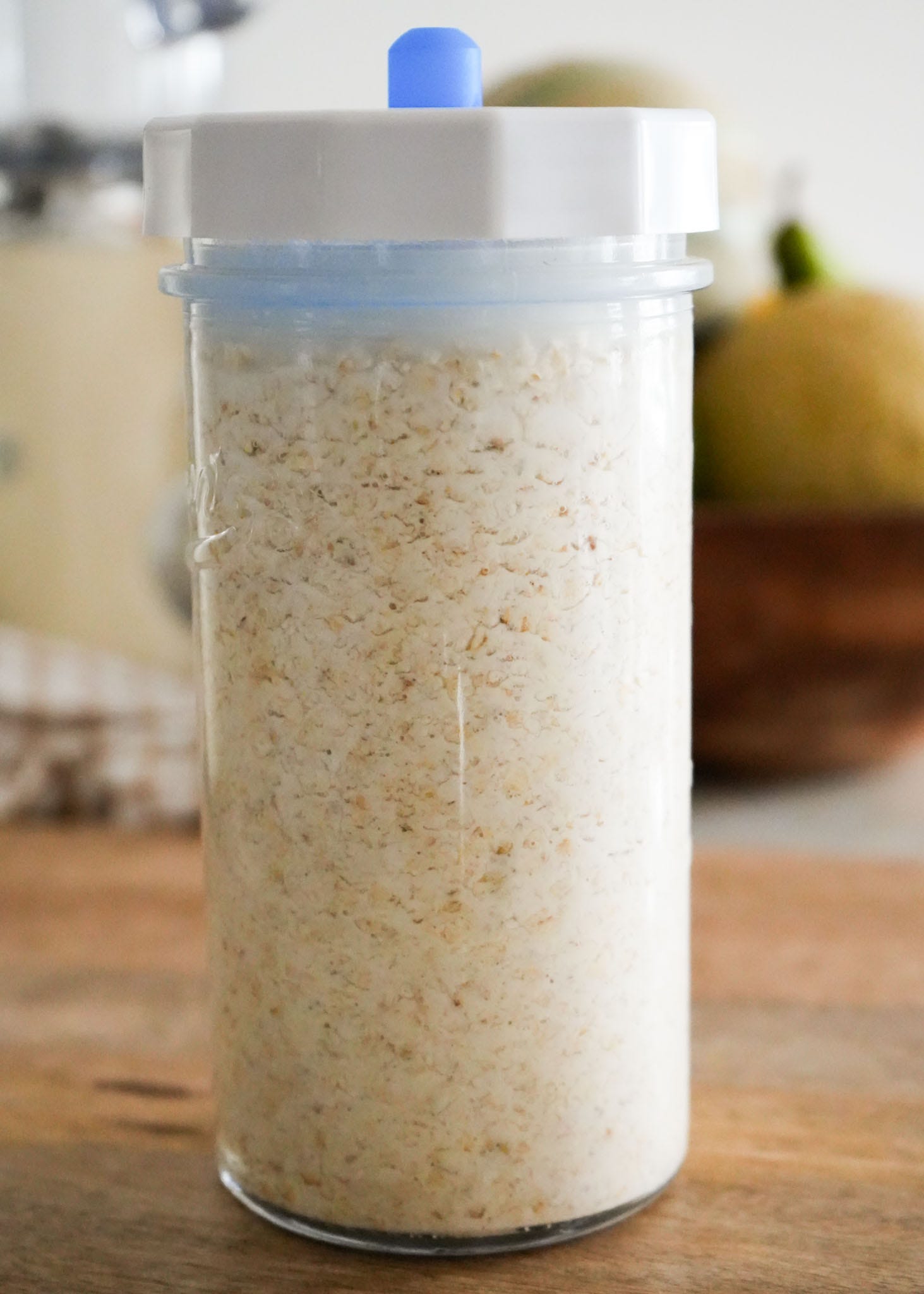
How to Ferment Your Oats (It’s Easier Than You Think)
Add 1 cup rolled oats to a jar or bowl.
Pour in 1.5 cup filtered water and stir in 1 tablespoon of yogurt, kefir, or raw apple cider vinegar (you need a live culture, meaning something that naturally contains probiotics aka beneficial bacteria)
Cover loosely or with a fermentation lid and let sit at room temperature for 12–48 hours.
Enjoy as is or cook as you normally would.
You’ll notice the oats have a slightly tangy aroma and softer texture. That’s a good thing, it means the beneficial bacteria have done their job.
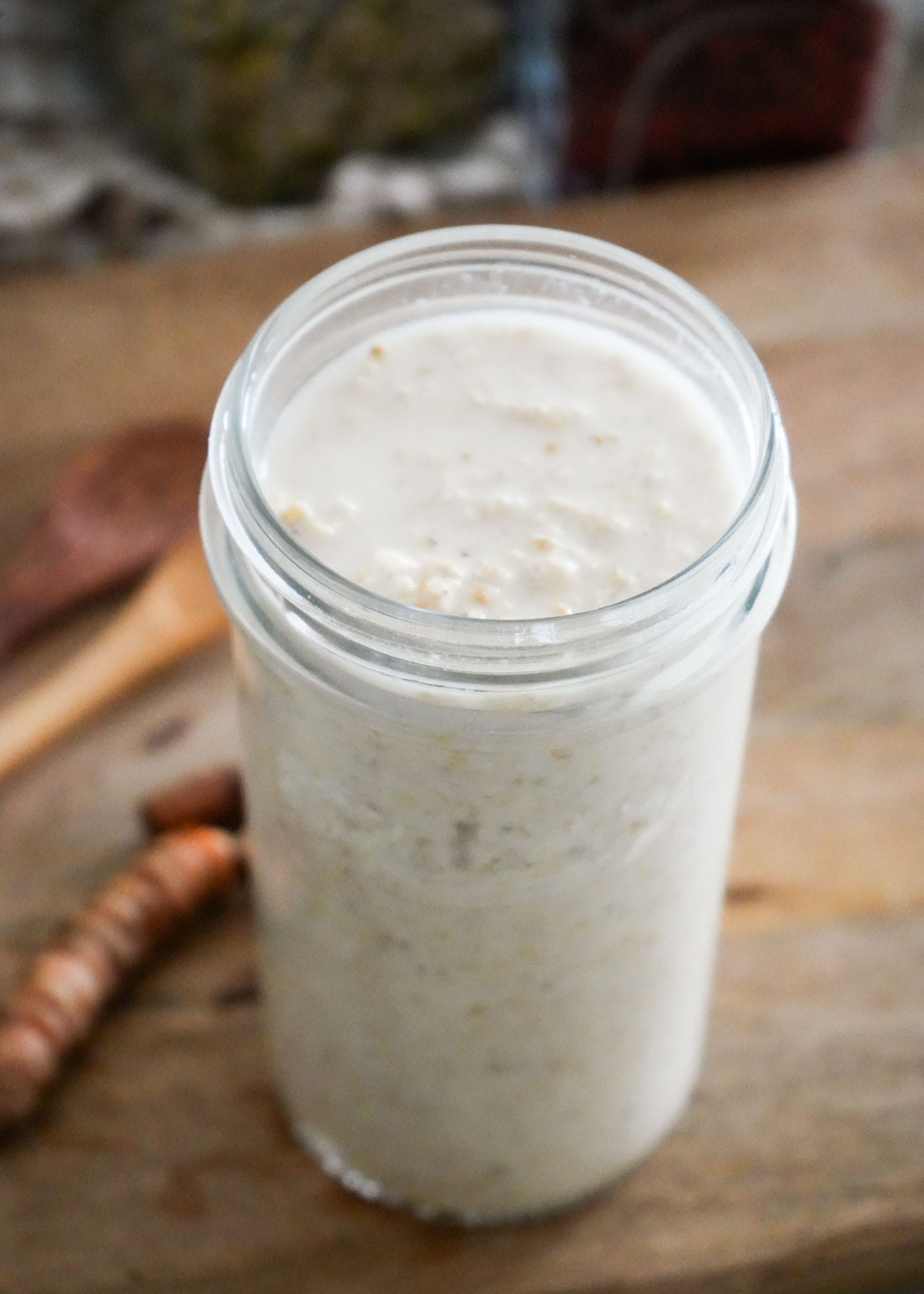
Tips for Making Fermented Oats
Use a live culture.
Always add a source of probiotics like plain yogurt, kefir, or raw apple cider vinegar with the “mother.” These live cultures kickstart the fermentation process and give your oats that gentle tang.Choose the right oats.
Rolled oats work best because they absorb liquid evenly and ferment quickly. Steel-cut oats can be used too but need a longer fermentation time (up to 48 hours).Mind the temperature.
Keep your oats at room temperature (around 68–75°F / 20–24°C). Too cold, and fermentation slows down; too warm, and it can ferment too quickly or turn sour.Cover loosely.
Don’t seal the jar tightly. Cover it with a breathable lid, clean cloth, or loose jar lid so air can escape while keeping dust out. This prevents pressure buildup and encourages good bacteria to thrive.Taste and experiment.
After 12–24 hours, taste a spoonful. The longer it ferments, the tangier it gets. Find your sweet spot, then cook as usual or enjoy cold like overnight oats.
If you’ve never tried fermenting your oats, this is your sign. Your gut, and your taste buds, will love you for it.
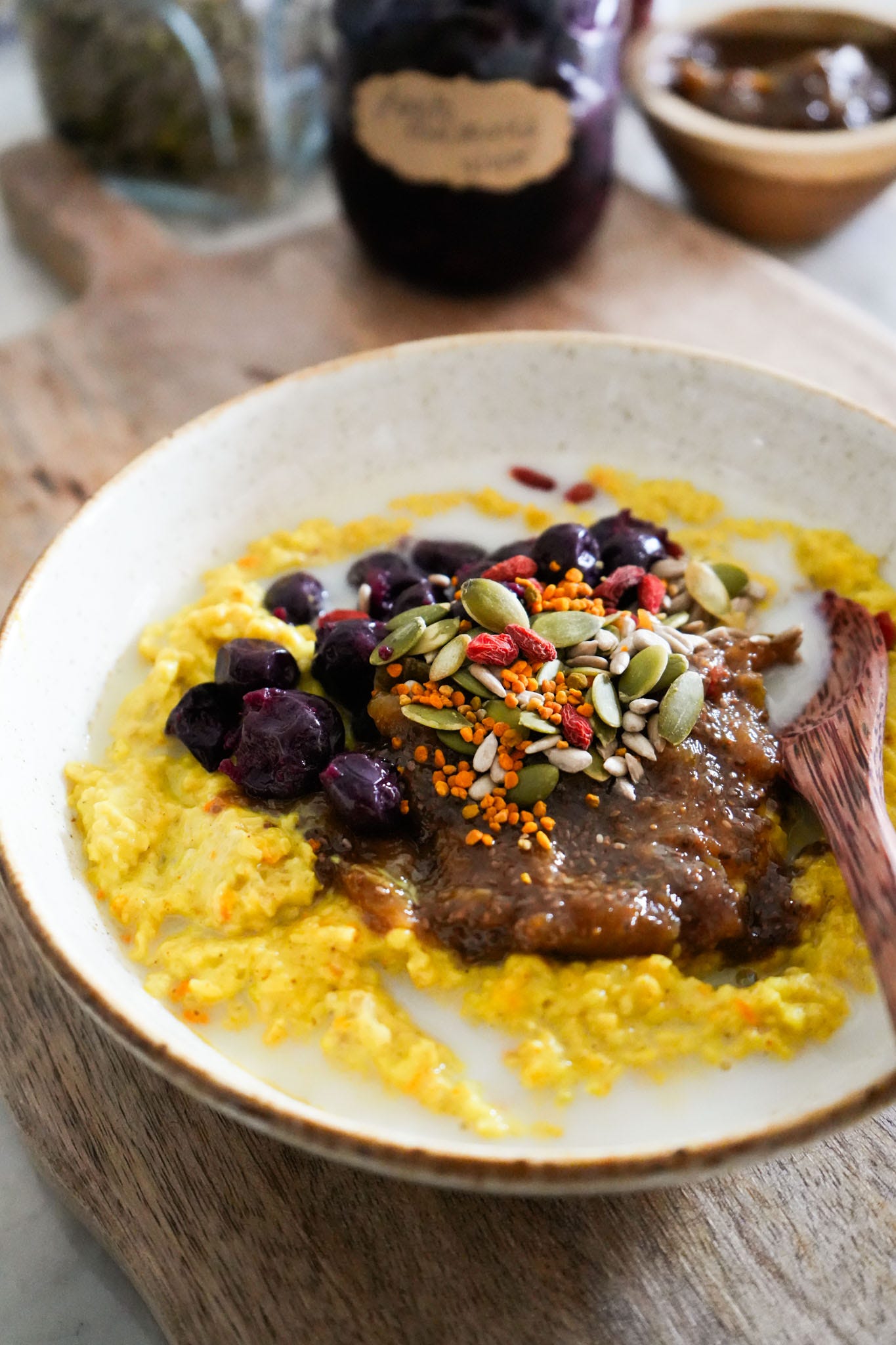
I use my Fermented Oats To Make Anti-Inflammatory Golden Turmeric Oatmeal. I warm the base for the oatmeal, then I stir in my fermented oats. Since they have been soaking they don’t need to be cooked, only warmed up for a minute or two. This helps to retain as much probiotics as possible.