

10 High-Protein Plant-Based Breakfasts (no protein powder needed)
Because plant-based breakfasts can be filling, satisfying, and protein-rich without relying on smoothies or supplements.

The most common thing I hear from people eating plant-based is that breakfast is where protein starts to fall apart.
So let’s fix that.
You wake up, you’re trying to do right by your body, and maybe you’re fully plant-based. Maybe you’re plant-curious. Maybe you’re just trying to eat less meat without completely throwing off your protein goals.
And then breakfast happens.
The egg-free, dairy-free, protein-powder-free breakfast options can feel surprisingly limited when you’re standing in your kitchen at 7 AM trying to figure out how to get enough protein before the day really starts.
I hear this all the time:
“I do fine at lunch and dinner, but breakfast is where I lose it.”
And I get it.
Most plant-based breakfast ideas lean heavily on smoothies, avocado toast, fruit bowls, and cute little oat situations that taste good, but don’t always hold you. You eat them, feel good for a moment, and then by 10 AM you’re already thinking about what else you can have.
But plant-based protein at breakfast is completely doable without protein powder.
It just requires knowing which ingredients actually carry the load.
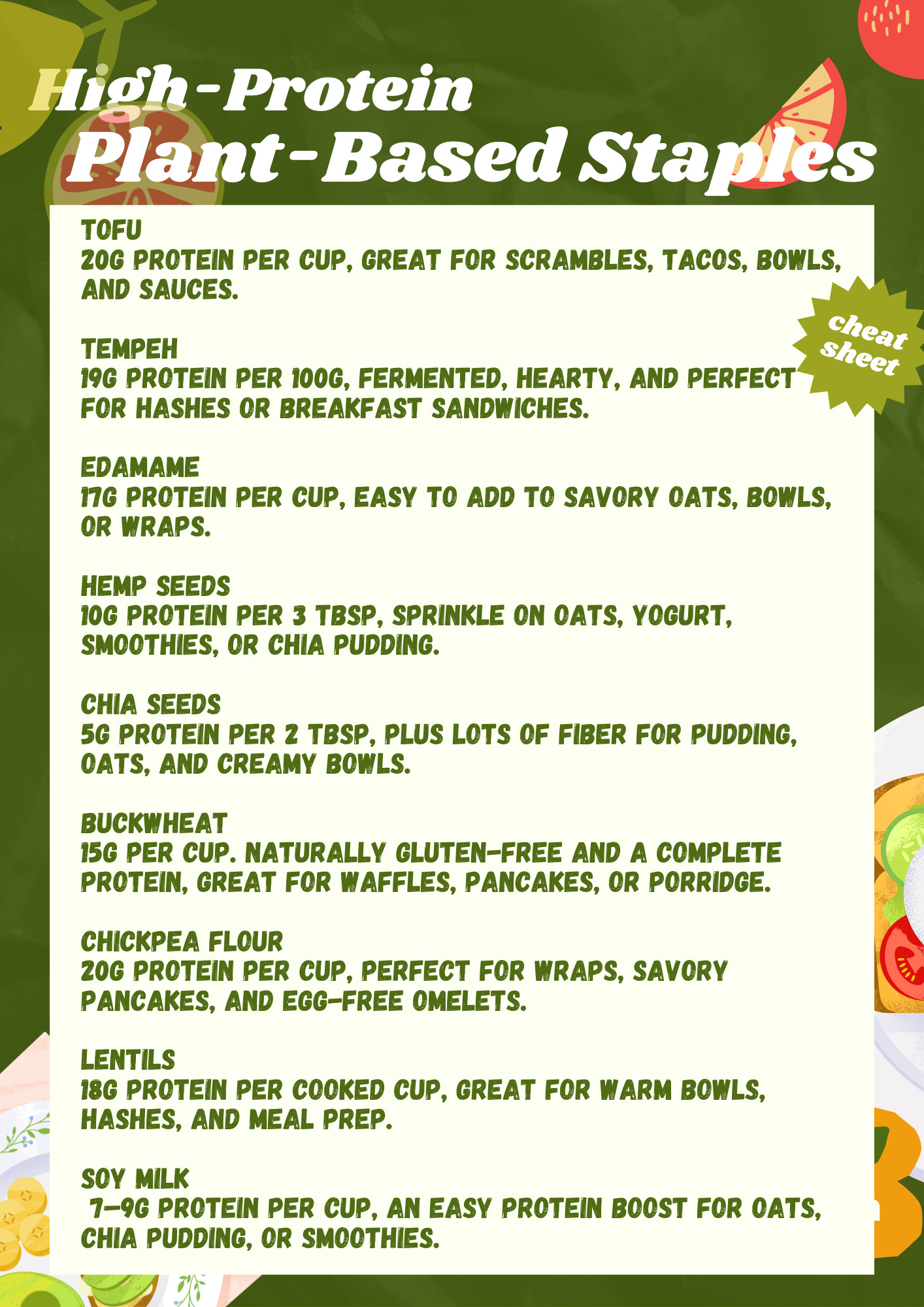
Tofu can give you around 20 grams of protein per cup. Hemp seeds give you about 10 grams per 3 tablespoons and can be added to almost anything. Chia seeds provide about 5 grams per 2 tablespoons, plus a serious fiber boost. Buckwheat is naturally gluten-free and contains all nine essential amino acids. Tempeh gives you around 19 grams per 100 grams. Edamame gives you about 17 grams per cup.
The ingredients are there.
You just need better breakfast ideas.
Here are ten of them.
What Makes a Plant-Based Breakfast Actually Keep You Full
Before the list, one thing worth understanding.
The reason most plant-based breakfasts fail at satiety is not just low protein. It is the combination of low protein and low fiber with a high glycemic load. A breakfast that is mostly simple carbs, even if it has some protein, spikes blood sugar fast and crashes it faster. You are hungry again before you have even cleaned up.
The breakfasts below are built around protein plus fiber together. That combination slows digestion, stabilizes blood sugar, and produces the sustained fullness that carries you through the morning without reaching for something by 10am.
Aim for 20 to 30 grams of protein at breakfast. Every option below gets you close or over that line.
The 10 High-Protein Plant-Based Breakfasts
Organized by texture and mood.
If You Want Creamy
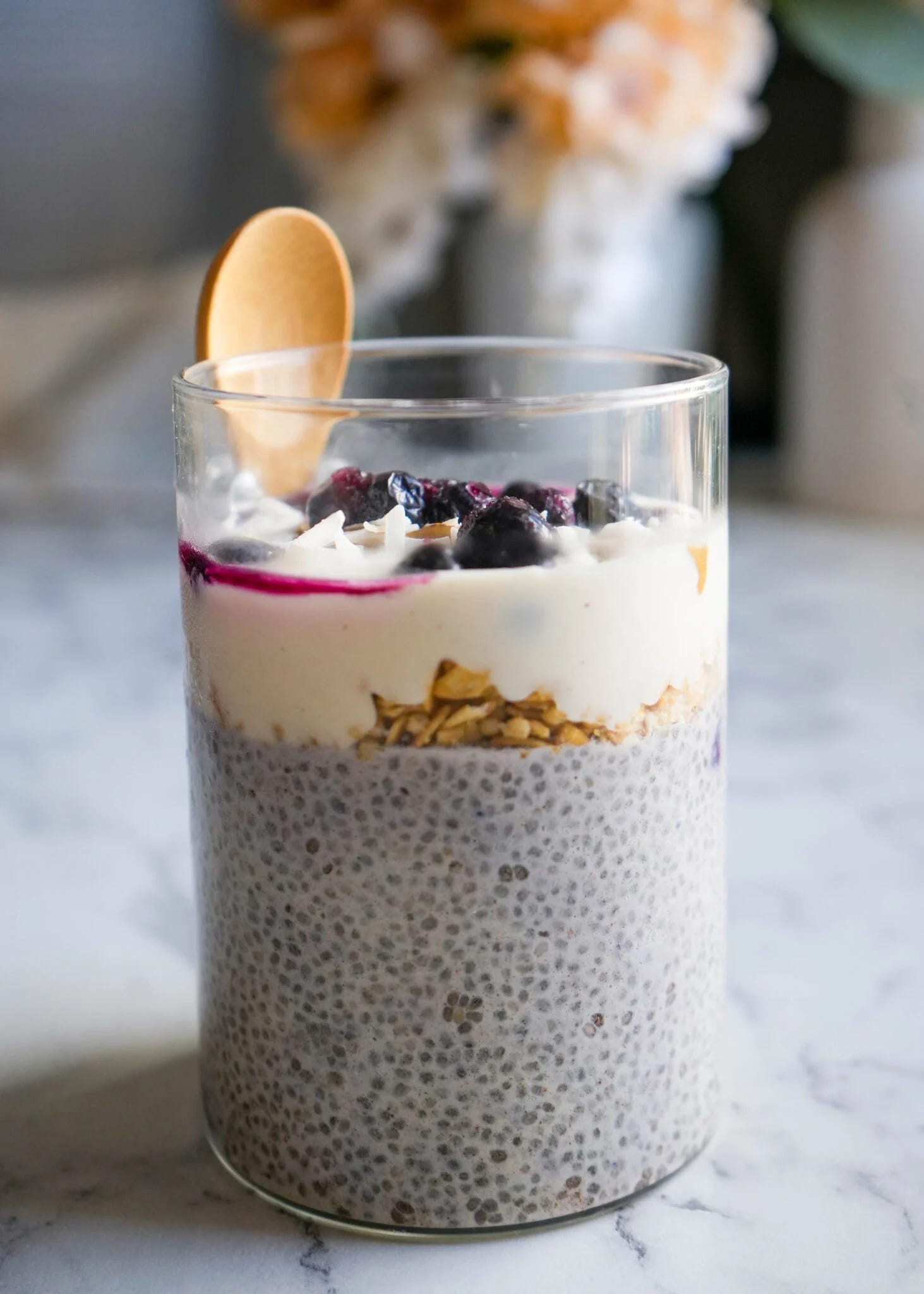
1. High-Protein Chia Pudding
~29g protein | 23g fiber | no cooking required
This one surprises people every time. Twenty-nine grams of protein and twenty-three grams of fiber without a single scoop of protein powder. The protein comes from layering hemp seeds, chia seeds, and a high-protein plant milk together overnight. No complicated additions, nothing that tastes like a supplement.
I developed this recipe because I wanted something I could make for meal prep and grab every morning without thinking. It is exactly that. Five minutes of prep, overnight in the fridge, ready when you wake up.
The fiber here is particularly notable. Twenty-three grams at breakfast covers most of your daily target in one meal, which means your gut bacteria are getting fed from the first thing you eat. The chia seeds expand in liquid and create a gel that genuinely slows digestion. This is one of those breakfasts that keeps you full for a surprisingly long time.
Recipe: High-Protein Chia Pudding (No Protein Powder Needed)
2. Soy Yogurt Bowl with Chia, Hemp, and Berries
~20–24g protein | ~8–10g fiber
This is the plant-based version of the yogurt bowl, but it only works if you choose the right yogurt.
A lot of dairy-free yogurts are low in protein, especially coconut or almond-based ones. For this, soy yogurt is usually the better choice because soy is naturally higher in protein and contains all essential amino acids.
Then chia, hemp, and berries turn it into a more balanced breakfast instead of just a sweet bowl.
Ingredients
• 1 cup unsweetened soy yogurt
• 2 tablespoons hemp seeds
• 1 tablespoon chia seeds
• ½ cup berries
• 1 tablespoon almond butter, optional
• Cinnamon, optional
Instructions
Add soy yogurt to a bowl.
Stir in chia seeds and hemp seeds.
Top with berries, almond butter, and cinnamon if using.
Let sit for 5–10 minutes so the chia can slightly hydrate.
Calories: ~360–430 | Protein: ~20–24g | Carbohydrates: ~24–30g | Fiber: ~8–10g | Fat: ~20–26g
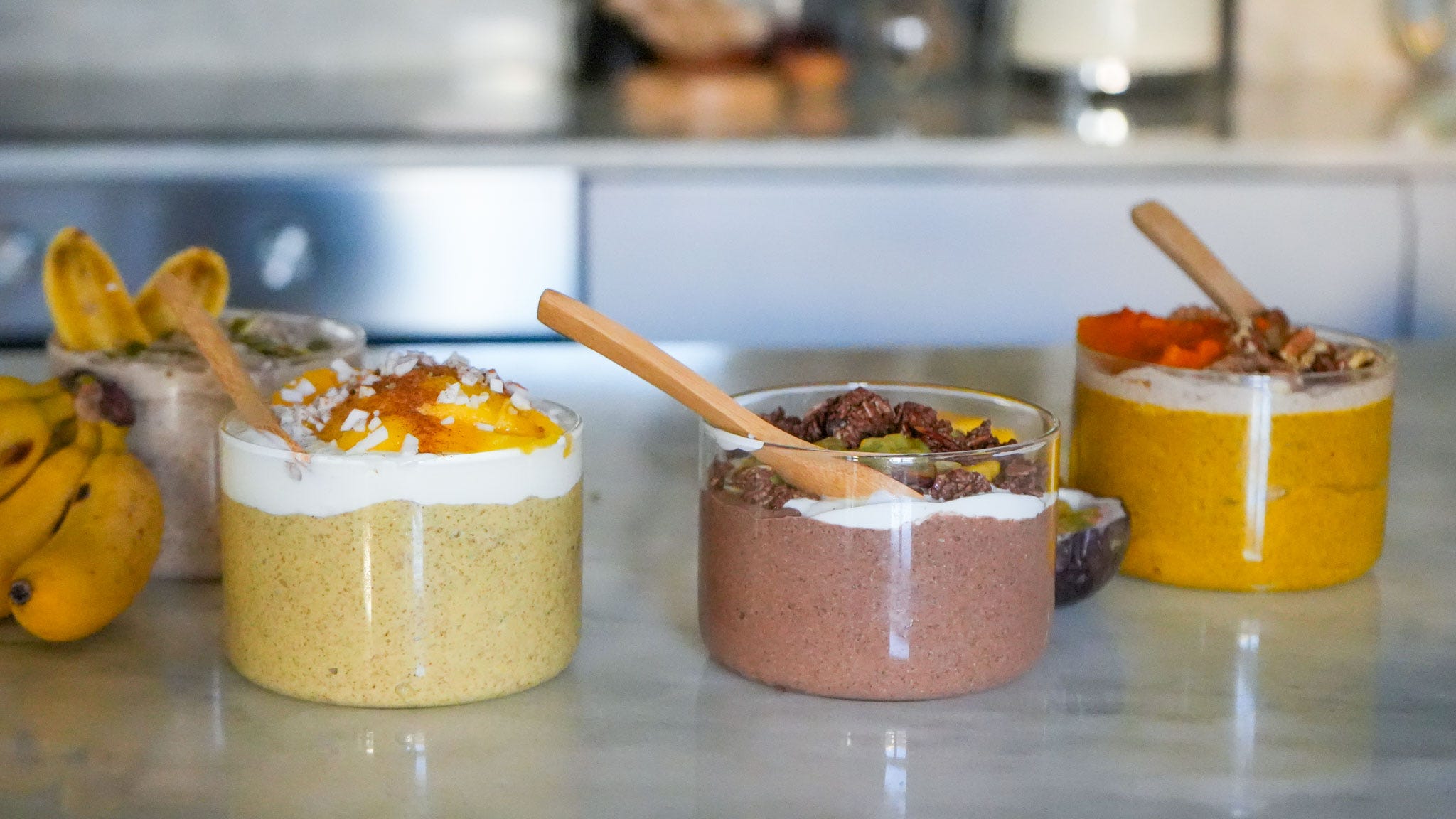
3. Chia Mousse Four Ways
~15 to 20g protein depending on toppings | 5 minutes | no cooking
Chia mousse is chia pudding’s more sophisticated sibling. Instead of the gelatinous texture that puts some people off traditional chia pudding, the chia seeds are blended into a smooth, creamy mousse that feels more like a thick yogurt or a light pudding. Same fiber and protein profile, completely different texture.
The base is simple: chia seeds, plant milk, and a sweetener blended until completely smooth. What you do with that base is where the options open up. I have four variations including chocolate, mango, berry, and a plain base that works with any toppings.
Top any version with hemp seeds, sliced almonds, or a few spoonfuls of high-protein chia pudding for a protein stack that easily reaches 20 grams.
Recipe: Chia Mousse 4 Ways
4. Blended Silken Tofu Chocolate Mousse
~22–28g protein | ~5–7g fiber
This is for the mornings when you want something that feels like dessert but still gives you real protein.
Silken tofu blends into the creamiest texture and takes on whatever flavor you add. It’s also one of the easiest ways to get a high-protein plant-based breakfast without using powder.
Add cacao, a little maple syrup, and berries, and it becomes rich, creamy, and satisfying without being overly sweet.
Ingredients
• 10 oz silken tofu
• 1 tablespoon cacao powder
• 1 tablespoon maple syrup
• ½ teaspoon vanilla
• Pinch of salt
• ½ cup berries
• 1 tablespoon hemp seeds
Instructions
Add tofu, cacao, maple syrup, vanilla, and salt to a blender.
Blend until smooth and creamy.
Transfer to a bowl or jar.
Top with berries and hemp seeds.
Chill for 15–30 minutes if you want a thicker texture.
Calories: ~330–380 | Protein: ~22–28g | Carbohydrates: ~28g | Fiber: ~5–7g | Fat: ~16g
5. Overnight Quinoa Porride
This overnight quinoa porridge is another great option here because it follows the same plant-based protein stacking approach. Instead of relying on one ingredient to do everything, it combines cooked quinoa with chia, flax, hemp seeds, and milk to create a creamy, make-ahead breakfast with protein, fiber, minerals, and healthy fats in one jar.
It’s naturally gluten-free, meal-prep friendly, and more substantial than a basic bowl of oats, which makes it perfect for busy mornings when you still want something that actually holds you.
I also love that you can change the flavor throughout the week, like blueberry almond, apple cinnamon, or chocolate raspberry, so it never feels like you’re eating the same thing on repeat.
Recipe: Overnight Quinoa Porridge
If You Want Savory
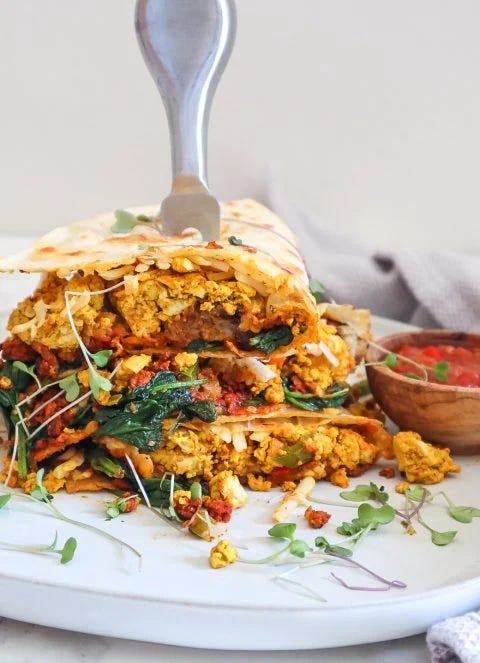
6. Southwest Tofu Scramble Quesadilla
~25 to 30g protein | gluten-free option available
Tofu scramble is one of those plant-based proteins that gets dismissed until you make it right. The key is pressing the tofu well, using black salt (kala namak) for an eggy flavor, and seasoning generously. Get those three things right and it genuinely does not taste like a compromise.
This quesadilla loads the scramble with potato hash, spicy soyrizo, spinach, and cashew mozzarella inside a crispy tortilla. The combination of tofu plus soyrizo pushes the protein significantly higher than a plain scramble, and the whole thing comes together in under 20 minutes.
Extra firm tofu is the base here — one cup of crumbled extra firm tofu delivers around 20 grams of protein before you add anything else. Add soyrizo and you are well over 25 grams for the full quesadilla.
This also works well as a meal prep option. Make the scramble in a large batch at the beginning of the week and store it in the fridge. Assembly in the morning takes about 5 minutes.
Recipe: Vegan Breakfast Quesadilla with Southwest Tofu Scramble
7. Tempeh Breakfast Hash
~28–32g protein | ~8–10g fiber
Tempeh is fermented soy, which makes it especially interesting from a gut-health perspective.
It’s dense, savory, and higher in protein than many other plant-based foods. When you crisp it in a skillet with potatoes, peppers, onions, and greens, it becomes the kind of breakfast that actually holds you.
This is a great one for people who don’t want anything sweet in the morning.
Ingredients
• 4 oz tempeh, cubed
• 1 small cooked potato, diced
• ½ bell pepper, chopped
• ½ small onion, chopped
• 1 cup spinach or kale
• 1 teaspoon olive oil
• ½ teaspoon smoked paprika
• ½ teaspoon garlic powder
• Salt and pepper, to taste
Instructions
Heat olive oil in a skillet.
Add tempeh and cook until golden.
Add potatoes, bell pepper, onion, and spices.
Cook until vegetables soften and potatoes crisp slightly.
Stir in greens and cook until wilted.
Calories: ~430 | Protein: ~28–32g | Carbohydrates: ~42g | Fiber: ~8–10g | Fat: ~18g
8. Chickpea Flour Breakfast Wrap
~11g protein per wrap | ~7g fiber
Chickpea flour is one of the most underrated plant-based breakfast ingredients.
It cooks quickly, holds together well, and gives you both protein and fiber in a way that feels more substantial than toast. You can make it like a savory pancake, wrap it around vegetables, or use it as a breakfast tortilla.
I especially like this when I want something warm, savory, and quick for breakfast. You can make a big batch of 6+ tortillas and have them ready to use. What I like to do is use them to make breakfast burritos and store them in the fridge or freezer. They reheat perfectly and are such a filling breakfast option. Load them up with tofu scramble and veggies to give it a protein boost.
If You Want Warm
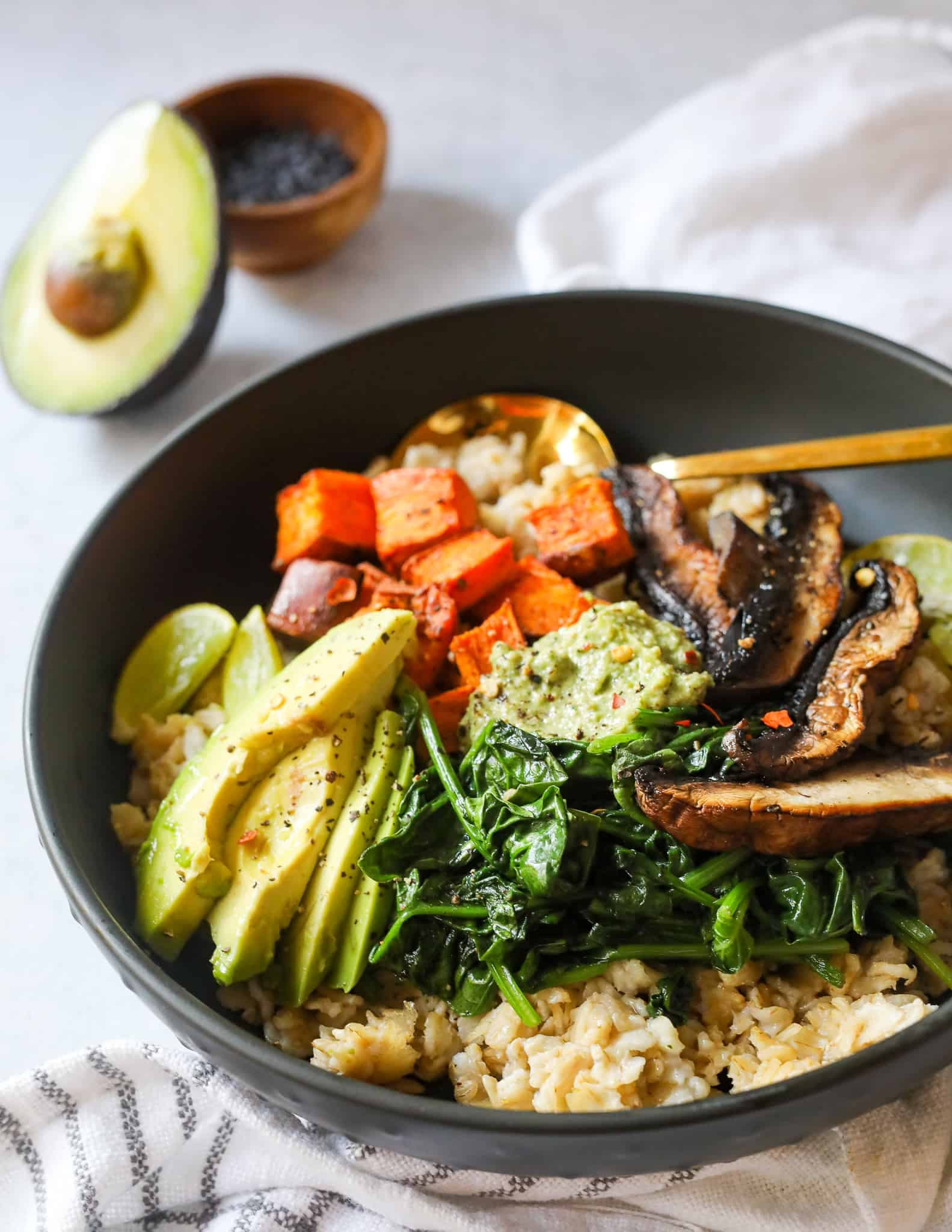
9. Savory Oatmeal Bowl
~18 to 20g protein | ~8g fiber | gut-supportive | 15 minutes
Sweet oatmeal is fine. Savory oatmeal is a completely different breakfast experience, and it is one of those things that sounds strange until you try it and then wonder why you spent years covering oats in brown sugar.
This bowl uses oats cooked in vegetable broth for depth of flavor, topped with sautéed mushrooms, and spinach, but you can add any of your favorite vegetables. Nutritional yeast stirred into the oats adds 8 grams of complete protein per 2 tablespoons plus B12. Hemp seeds add another 10 grams on top.
Ferment your oats by soaking them in water and a probiotic starter the night before to give your oats even more of a nutrient boost.
Full recipe at Savory Oatmeal (Vegan)
10. Lentil Breakfast Bowl with Sweet Potato and Tahini
~24–30g protein | ~14–18g fiber
Lentils for breakfast might sound unusual at first, but honestly, they work.
They’re high in fiber, rich in plant protein, and incredibly grounding. Paired with sweet potato, greens, and tahini, this becomes a warm, mineral-rich breakfast bowl that keeps you full for hours.
This is also a great example of “dinner for breakfast,” which I will always defend.
Ingredients
• 1 cup cooked lentils
• ½ medium roasted sweet potato
• 1 cup sautéed spinach or kale
• 1 tablespoon tahini
• 1 tablespoon lemon juice
• 1 tablespoon pumpkin seeds
• Salt and pepper, to taste
Instructions
Warm lentils, sweet potato, and greens in a skillet or bowl.
Whisk tahini with lemon juice and a splash of water until creamy.
Drizzle over the bowl.
Top with pumpkin seeds.
Calories: ~480 | Protein: ~24–30g | Carbohydrates: ~62g | Fiber: ~14–18g | Fat: ~16g
The Protein Cheat Sheet
Plant-based protein sources usually come with other nutrients too, like fiber, carbohydrates, and healthy fats. That’s a good thing, but it means you often need to combine a few ingredients to reach a higher-protein breakfast. Instead of expecting one ingredient to carry the entire meal, combine a few protein-rich foods together.
Combine two of these in one breakfast and you are consistently at 20 to 25 grams without trying very hard.
Here’s the Bigger Picture
A plant-based breakfast does not have to mean a smoothie and fruit.
It can be warm.
Savory.
Creamy.
Filling.
Actually satisfying.
The key is structure.
Start with protein. Add fiber. Include a little fat. Keep sugar moderate. That’s the formula.
And when you build breakfast this way, you give yourself a much better chance of feeling steady, focused, and satisfied throughout the morning.
Now I’m curious, what is your go-to plant-based breakfast right now? And does it actually keep you full?
I’ve been doing steel cut oats with walnuts and apple—plus 3 tablespoons hemp, 2 tablespoons flax, and one tablespoon chia. Some soy milk and a little maple syrup.
My favorite lately has been a savory lentil bowl for breakfast. I like to make it a little brothy and load it up with lots of veggies. What is your go-to plant-based breakfast right now? And does it actually keep you full