

Anti-inflammatory Buckwheat Bread (High Fiber)
A hearty, gluten-free loaf with 7 grams of protein and 8 grams of fiber per slice

This is easily one of my favorite homemade breads.
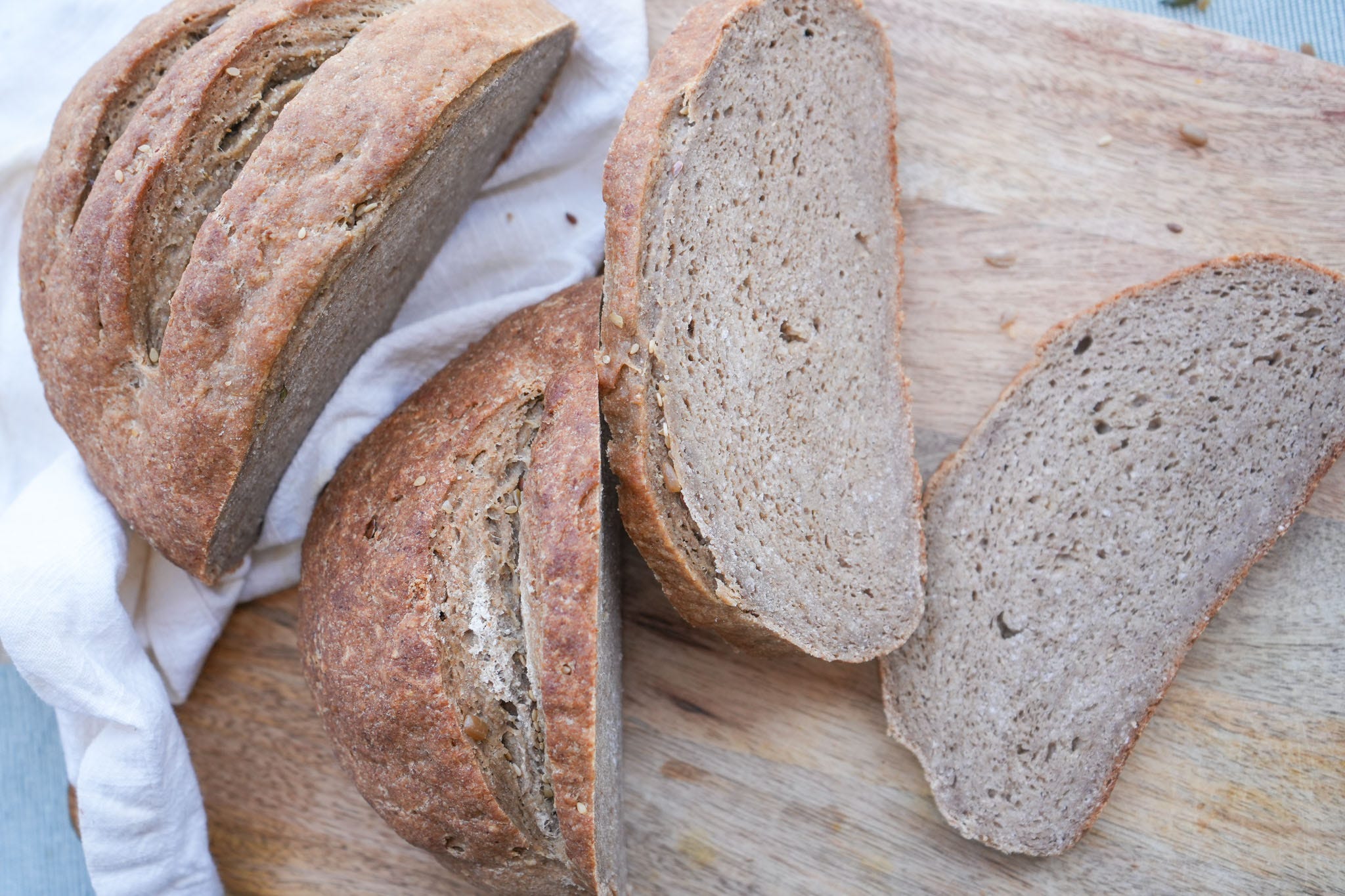
The flavor reminds me of rye bread. It is earthy, slightly nutty, and hearty without tasting overly dense. The texture is surprisingly close to traditional bread, with a crisp golden crust, a soft interior, and the kind of satisfying chew that can be difficult to achieve with gluten-free baking.
It also slices beautifully and holds together whether I am eating it fresh, toasting it, or loading it with toppings.
What makes this loaf even more special is that it fits beautifully into an anti-inflammatory way of eating. It is made without wheat, gluten, refined flour, or heavily processed bread ingredients. Instead, the base is buckwheat, a naturally gluten-free seed-like pseudo-cereal that provides fiber, plant-based protein, magnesium, and antioxidant compounds.
The recipe makes approximately 10 generous slices, with about 7 grams of protein and 8 grams of fiber per slice. That combination makes it far more filling and nutritionally substantial than many store-bought breads.
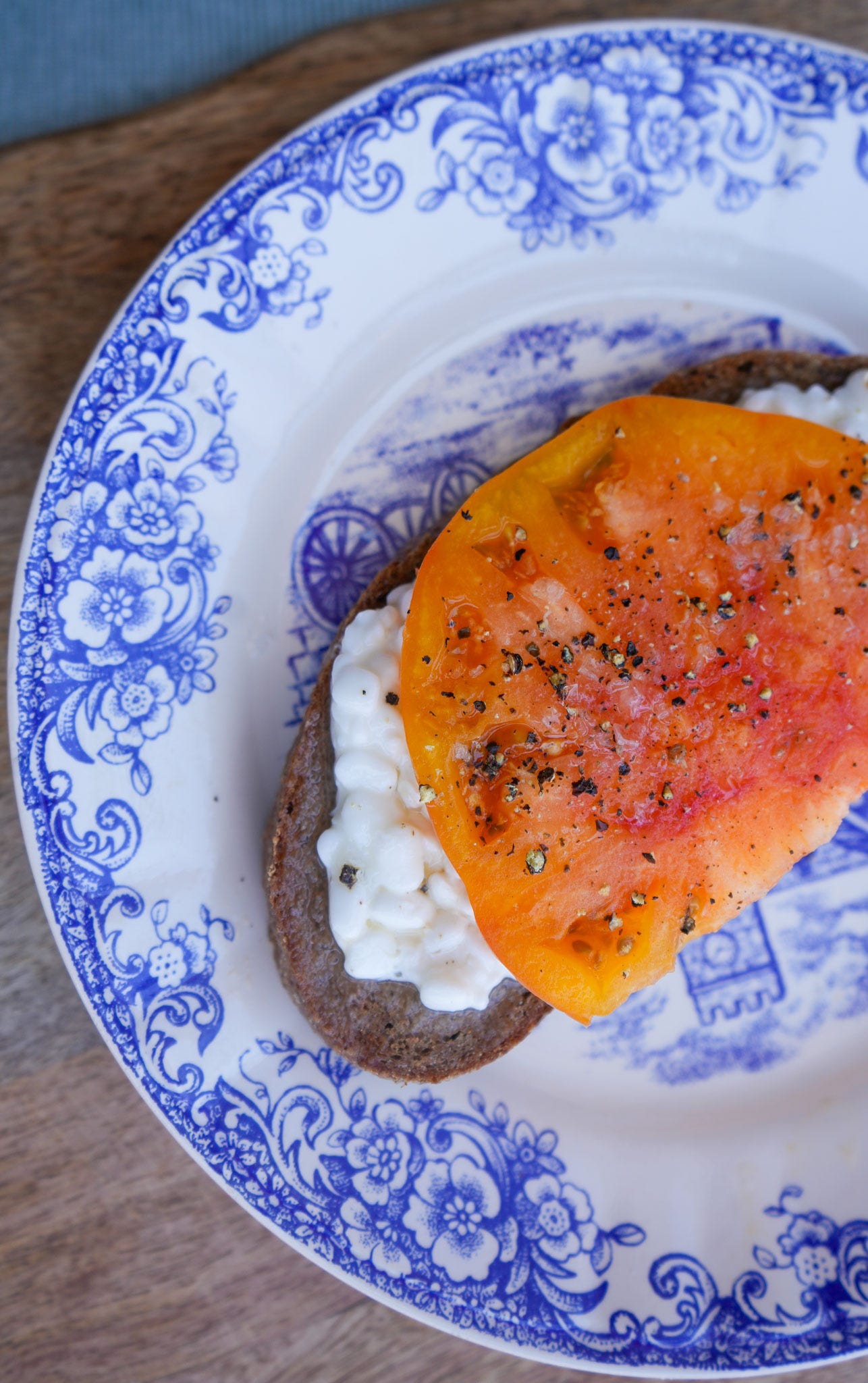
I love it toasted with cottage cheese and tomatoes, alongside eggs, or simply spread with almond butter. It is the kind of bread that supports the way I want to eat: simple ingredients, plenty of fiber, satisfying protein, and foods that help me build balanced, anti-inflammatory meals.
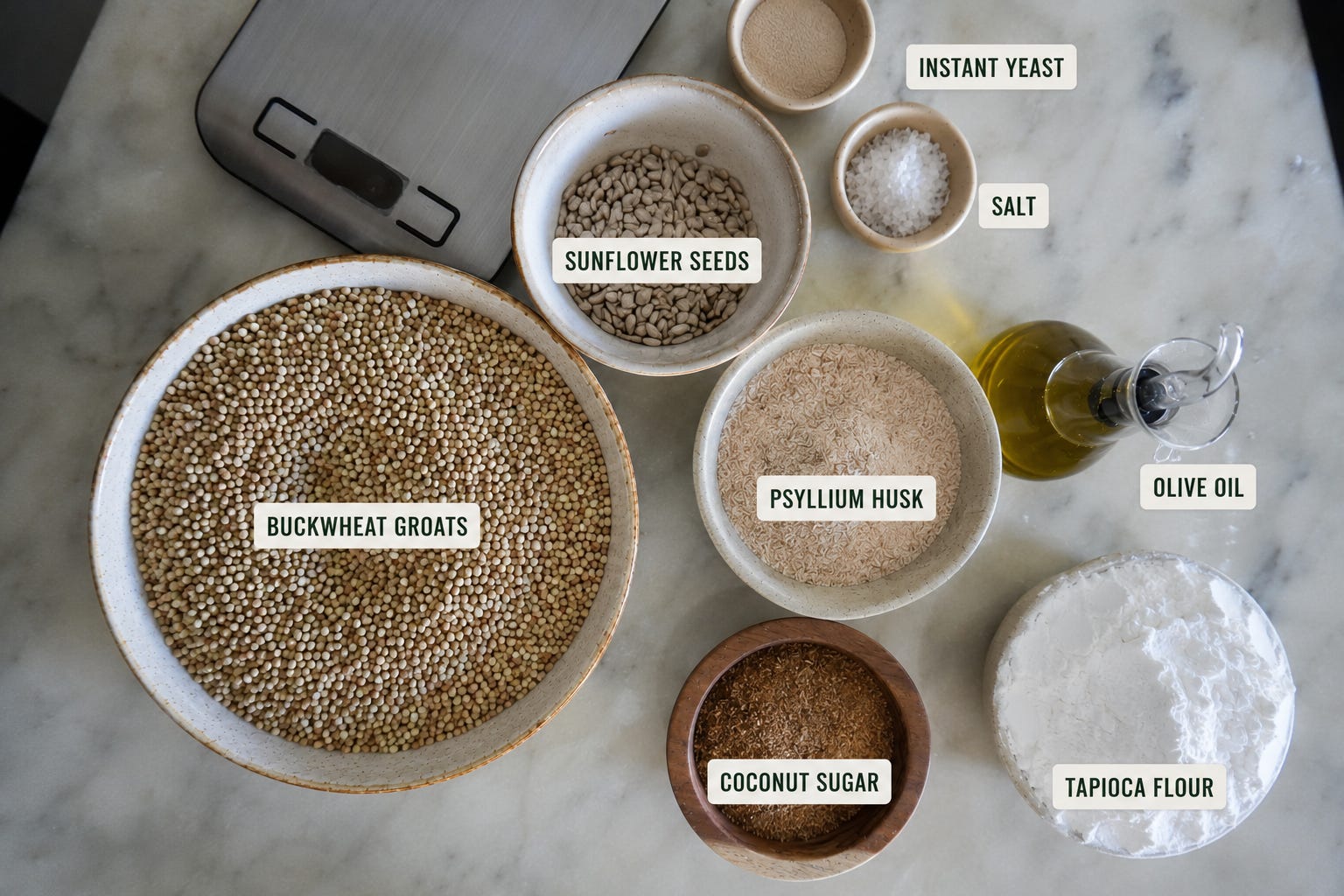
Let’s Talk About the Ingredients
Buckwheat Groats are small, pale beige or light green seeds with a triangular shape. They are naturally gluten-free and provide fiber, plant-based protein, magnesium, and antioxidants while giving the bread its hearty, rye-like flavor.
Use raw, untoasted buckwheat groats and grind them into a fine flour yourself. There is no substitute for the buckwheat in this recipe, and I do not recommend using pre-ground buckwheat flour because I have not tested it.
Tapioca Starch lightens the buckwheat flour and gives the loaf a softer texture with a satisfying, bread-like chew. It is naturally gluten-free and grain-free because it comes from cassava root.
Substitute: Use an equal amount of cornstarch, although the bread may be slightly less chewy.
Powdered Psyllium Husk mimics some of the binding properties of gluten, helping the dough hold moisture, rise, and slice without crumbling. It also adds a significant amount of fiber to each slice.
Substitute: There is no reliable direct substitute, so powdered psyllium husk is strongly recommended.
Instant Yeast gives the loaf lift and helps create a lighter, more traditional bread texture. It also contributes to the familiar flavor and aroma of freshly baked bread.
Substitute: Active dry yeast can be used, but dissolve it in some of the warm water with the coconut sugar before adding it to the dough.
Coconut Sugar balances the earthy buckwheat and helps activate the yeast. The finished loaf does not taste sweet at all.
Substitute: Use brown sugar, cane sugar, maple sugar, honey, or maple syrup.
Salt brings out the nutty flavor of the buckwheat and balances the subtle sweetness in the loaf. It also helps regulate the yeast as the dough rises.
Substitute: Fine sea salt or kosher salt both work, but the amount may need adjusting depending on the size of the salt crystals.
Warm Water hydrates the flour and activates both the psyllium husk and yeast. It should feel comfortably warm, not hot, so it does not damage the yeast.
Substitute: There is no substitute, but unsweetened plant milk may replace a small portion of the water for a slightly richer loaf.
Olive Oil keeps the bread moist and adds heart-healthy monounsaturated fats that fit naturally into an anti-inflammatory way of eating. It also makes the dough easier to knead and shape.
Substitute: Use avocado oil, melted coconut oil, or another neutral cooking oil.
Sunflower Seeds add crunch, healthy fats, vitamin E, and a little extra plant-based protein. They complement the earthy flavor of the buckwheat and make each slice more satisfying.
Substitute: Use pumpkin seeds, chopped walnuts, pecans, sesame seeds, or leave the seeds out entirely.
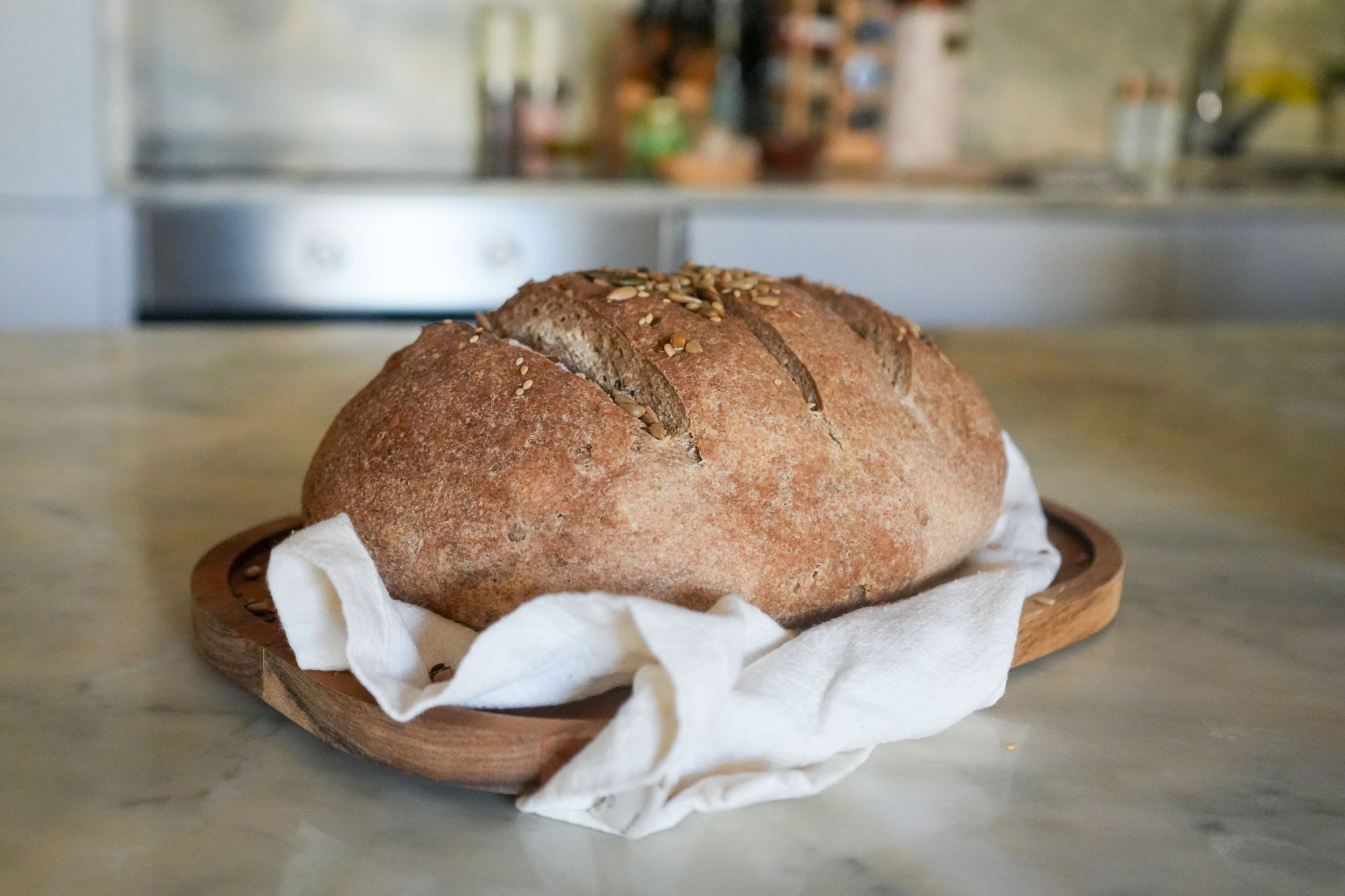
What I’ve Learned After Making This Bread a Dozen Times
I have tested this recipe many times and have now made this loaf at least a dozen times. These are the little things I have learned that consistently give me the best texture, rise, and overall result.
Weigh your ingredients. For the most consistent results, measure the ingredients with a kitchen scale. Gluten-free bread recipes are sensitive to small changes, especially in the amount of flour, psyllium husk, and water.
Grind the buckwheat finely. Blend the raw buckwheat groats until they become a very fine flour. A coarse grind can make the bread feel heavier and slightly gritty.
Avoid overmixing the dough. Mix only until the ingredients are evenly combined and no dry spots remain. Overmixing can make the finished loaf denser.
Give it enough time to rise. Let the dough rise for at least 1 hour on the counter top in the kitchen or in the oven with it turned off completely. I have left mine to rise for up to 5 hours, and the bread still turned out beautifully, so there is some flexibility if your kitchen is cooler or you need extra time.
Add your favorite seeds or nuts. You can fold in any seeds or chopped nuts you enjoy. Sunflower seeds are my favorite because they add a subtle crunch and pair perfectly with the earthy buckwheat flavor, but pumpkin seeds and chopped walnuts also work well.
Do not expect it to double in size. This is a gluten-free dough, so it may not rise as dramatically as traditional wheat bread. It should look slightly puffier and more rounded before baking.
Shape it with damp or lightly oiled hands The dough may feel sticky, which is normal. Damp or lightly oiled hands make it much easier to shape without adding excess flour.
Let the loaf cool completely. Do not slice the bread while it is still warm. The inside continues to set as it cools, and cutting it too early can leave the crumb gummy or compressed. Let it cool for at least an hour.
Now that you know everything I’ve learned from making this loaf again and again, let’s get to baking! Here’s a complete video walkthrough.
500g buckwheat groats, blended until fine
¼ cups (41 g) powdered psyllium husk
1 ½ tsp (8 g) salt
2 ¼ tsp (7 g) Instant Yeast
200g tapioca
700g warm water (about 3 cups)
28g olive oil (3 tbsp)
38g coconut sugar (2-3 tbsp)
1/3 cup sunflower seeds 45g (pumpkin seeds, walnuts) + more for sprinkling
Instructions
Add the buckwheat groats to a high powered blender and blend into a fine powder.
Add the buckwheat flour, tapioca starch, powdered psyllium husk, instant yeast, coconut sugar, and salt to a large mixing bowl. Whisk for about 2 minutes to make sure everything is evenly combined.
Pour in the warm water and stir with a spatula until no dry spots remain. The dough will thicken quickly as the psyllium and flours absorb the water.
Pour the olive oil over the dough and knead it in with clean hands until fully incorporated.
Fold in the sunflower seeds, or your choice of pumpkin seeds or chopped walnuts.
Transfer the dough to a lightly floured surface and shape it into a round loaf.
Place the loaf on a parchment-lined baking sheet. Cover with a clean kitchen towel and let it rise in a warm place for 1 hour.
Toward the end of the rising time, preheat the oven to 400°F (205°C).
Once the loaf has risen, use a sharp knife or bread lame to make 3 to 4 slashes across the top, about ½ inch deep. This helps the bread expand evenly as it bakes.
Sprinkle a few extra seeds over the top, if desired, then bake for 40 to 50 minutes.
The bread is ready when the crust is deeply golden, the loaf sounds hollow when tapped, or the internal temperature reaches at least 202°F.
Transfer the loaf to a cooling rack and allow it to cool completely before slicing. This is important because the bread continues to set it cools
Nutrition Facts (Per Slice), makes ~10 slices
Calories: 255 kcal | Carbohydrates: 45g | Protein: 7g | Fat: 6g | Saturated Fat: 0.8g | Cholesterol: 0mg | Sodium: 330mg | Potassium: 280mg | Fiber: 8g | Sugar: 2g | Calcium: 25mg | Iron: 2mg
Bake a loaf, slice it thick, and tell me what you topped it with first. Bonus points if you toast it until the edges are extra crisp. 🩷🍞
Bake a loaf, slice it thick, and tell me what you topped it with first. Bonus points if you toast it until the edges are extra crisp. 🩷🍞
Thank you for sharing the recipe! And alternatives...